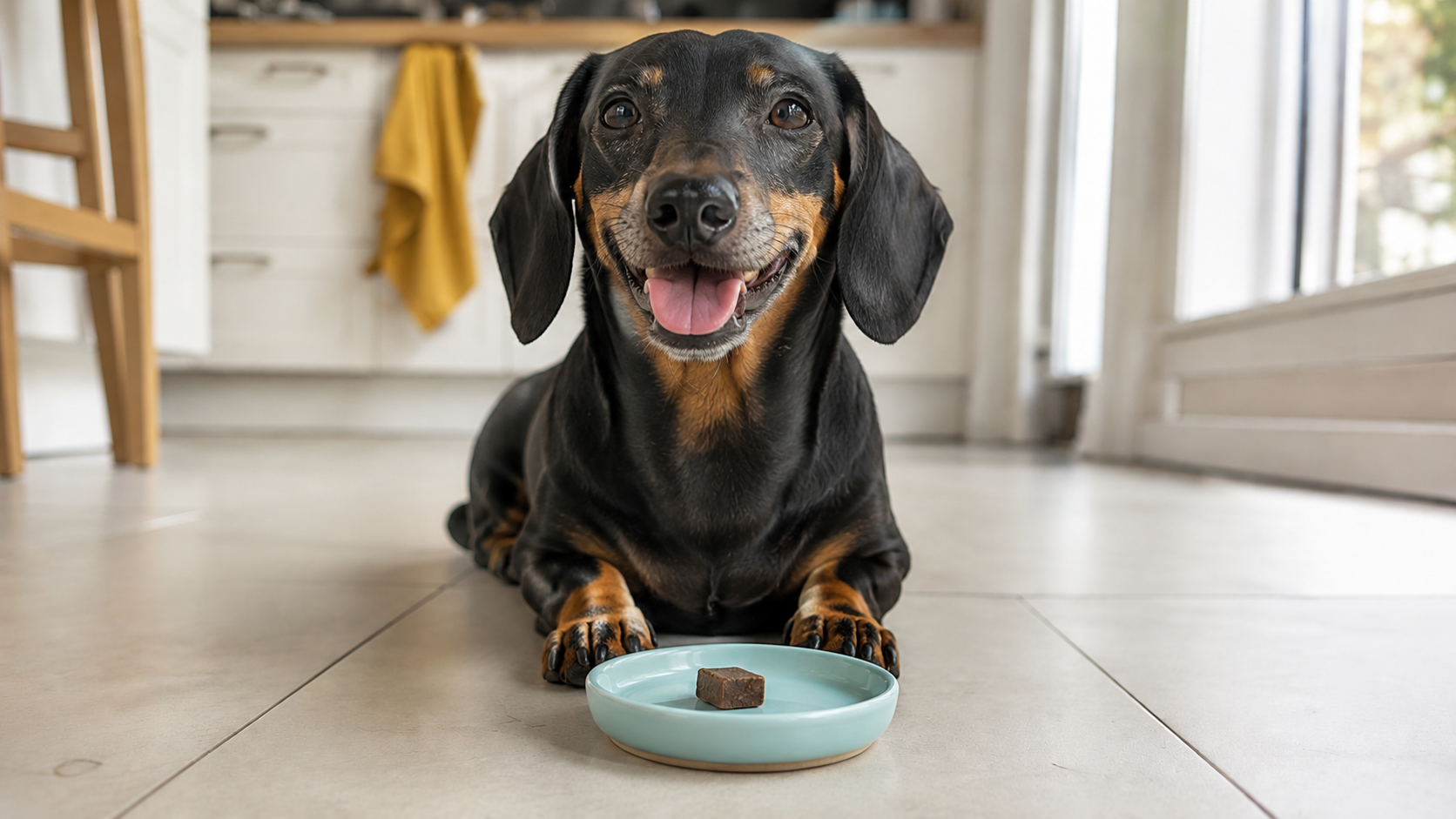
Why Do Dogs Eat Poop? Causes and How to Stop the Behavior
Few dog behaviors are as unpleasant for pet parents as watching a dog eat feces. The medical term for this behavior is coprophagia, and it can involve a dog eating their own stool, another dog’s stool, or feces from another animal.
Although the behavior is upsetting, it does not automatically mean your dog is sick or missing a particular nutrient. Puppies may investigate feces as part of normal exploratory or scavenging behavior, and some dogs continue because the stool is readily available or the behavior has become a habit.
Persistent or sudden coprophagia still deserves attention. Medical problems, increased appetite, digestive disease, stress, inadequate supervision, or changes in routine can contribute. The most effective response usually combines a veterinary evaluation when appropriate with immediate cleanup, management, and reward-based training.
Is It Normal for Dogs to Eat Poop?
Coprophagia can occur in otherwise healthy dogs.
Mother dogs naturally lick and consume the waste of very young puppies to keep the nesting area clean. Puppies may also investigate stool with their mouths and sometimes eat it. Many grow out of the behavior with maturity, consistent supervision, and appropriate training.
In adult dogs, occasional stool eating may still reflect scavenging or opportunity rather than disease. However, the behavior should not simply be ignored because feces can expose dogs to parasites, bacteria, medications, or other substances.
Why Do Dogs Eat Poop?
There is rarely one universal explanation. Several factors may contribute at the same time.
Normal exploration and scavenging
Dogs investigate the environment with their noses and mouths. Fresh stool may be appealing to some dogs because of its odor, moisture, or traces of undigested material.
This is especially common in puppies and dogs that have frequent unsupervised access to feces.
Easy access
A dog cannot repeatedly eat stool that is removed immediately.
Common opportunities include:
- An unscooped backyard
- A shared dog run
- A cat litter box
- Walks through areas with animal waste
- Homes with several dogs
- Farm or wildlife feces
- Indoor accidents that are not discovered quickly
For many dogs, restricting access is the most important part of changing the behavior.
Learned behavior
A dog may learn that approaching stool creates an exciting reaction from the owner. Chasing, shouting, or trying to pull the dog away can unintentionally turn the situation into a game or reward the behavior with attention.
Punishment can also increase anxiety or encourage a dog to consume stool quickly before the owner can intervene.
House-training experiences
Harsh punishment for indoor accidents may teach some dogs to hide or remove the evidence rather than to understand where elimination should occur.
House-training should focus on supervision, frequent opportunities to eliminate outside, and rewards for using the correct location.
Boredom or insufficient enrichment
A dog left alone in a yard or confined area with little to do may investigate or eat feces as an activity.
Daily physical exercise, sniffing opportunities, play, social interaction, rest, and safe enrichment can reduce boredom-related behaviors. However, enrichment alone is unlikely to resolve coprophagia when stool remains easily accessible.
Stress or anxiety
Changes in routine, social conflict, confinement, punishment, separation-related distress, or other stressors may contribute to repetitive or scavenging behaviors in some dogs.
Behavioral explanations should not be assumed without also considering the dog’s physical health and environment.
Increased hunger
Some dogs may be more motivated to scavenge when they are genuinely hungry or unusually food-driven.
Increased appetite can occur because of:
- An inadequate calorie intake
- A structured weight-loss plan that needs adjustment
- Certain medications
- Diabetes mellitus
- Cushing’s disease
- Digestive or absorption problems
- Intestinal parasites
- Other medical conditions
A sudden increase in appetite, thirst, urination, weight loss, or scavenging should be discussed with a veterinarian.
Medical or digestive problems
Medical causes are less common than simple opportunity or learned behavior, but they should be considered when coprophagia begins suddenly or appears alongside other symptoms.
Veterinarians may investigate for:
- Intestinal parasites
- Poor nutrient absorption
- Pancreatic disease
- Chronic gastrointestinal illness
- Endocrine disorders
- Conditions that increase appetite
- Medication side effects
Veterinary behavior guidance recommends ruling out medical causes when evaluating abnormal ingestive behaviors.
Does Poop Eating Mean My Dog Has a Nutritional Deficiency?
Not usually.
Nutrient deficiencies can theoretically contribute to unusual eating behavior, but most dogs eating a complete-and-balanced commercial diet are unlikely to be consuming feces because they lack one specific vitamin, mineral, digestive enzyme, or probiotic.
The original assumption that dogs commonly eat stool to recover missing enzymes or B vitamins is not well supported as a general explanation.
Do not add supplements, meat tenderizer, pineapple, digestive enzymes, vitamins, or other additives simply because your dog eats feces. Supplements may be unnecessary, interfere with the diet, or be inappropriate for a dog with a medical condition.
A veterinarian can determine whether the diet is suitable and whether bloodwork, fecal testing, or other evaluation is warranted.
Is Eating Poop Dangerous?
Coprophagia does not always result in illness, but it carries risks.
Parasites
Feces may contain parasite eggs, larvae, or protozoal organisms. A dog that consumes contaminated stool may be exposed to parasites or may temporarily pass parasite material in their own feces.
Keep your dog current on veterinarian-recommended parasite testing and prevention.
Bacteria and gastrointestinal illness
Animal waste may contain bacteria capable of causing vomiting, diarrhea, or other illness.
Risk varies depending on:
- The animal that produced the stool
- Whether the animal is sick
- How old the feces are
- Environmental contamination
- The dog’s health and immune status
Medication or toxin exposure
The stool of another animal may contain residues from medications or substances that are unsafe for your dog.
Cat feces and litter may also contain:
- Clumping litter
- Parasites
- Medication residues
- Foreign material
Horse, livestock, or wildlife feces may create additional exposure risks depending on the animal’s medications, parasites, and environment.
Bad breath and household hygiene
Coprophagia can contribute to unpleasant breath and may transfer fecal material to the dog’s mouth, fur, toys, furniture, or people.
Avoid allowing a dog that has just eaten feces to lick faces. Wash your hands after handling the dog’s mouth area or cleaning contaminated items.
When to Call Your Veterinarian
Arrange an examination when:
- The behavior begins suddenly in an adult or senior dog
- Coprophagia becomes frequent or difficult to control
- Your dog is constantly hungry
- Your dog is losing weight
- Vomiting or diarrhea occurs
- Stool quality has changed
- Your dog drinks or urinates more than usual
- Energy or appetite changes
- The abdomen appears swollen
- Your dog eats nonfood objects in addition to feces
- Your dog takes medication that may increase appetite
- Your dog is eating the stool of an animal receiving medications
- Routine parasite screening is overdue
Seek prompt veterinary care for repeated vomiting, bloody diarrhea, marked weakness, collapse, severe abdominal pain, an inability to keep water down, or suspected ingestion of a toxin or dangerous medication.
Bring a fresh stool sample when your veterinary clinic requests one.
How to Stop a Dog From Eating Poop
The most reliable approach is to prevent access while teaching the dog what to do instead.
1. Pick up stool immediately
This is the most important step.
In a private yard:
- Go outside with your dog
- Keep waste bags ready
- Pick up the stool as soon as the dog finishes
- Dispose of it in a secure container
- Check the yard before allowing unsupervised access
In a multi-dog household, supervise elimination and clean up after each dog promptly.
2. Use a leash during bathroom breaks
A leash gives you control without chasing.
After your dog eliminates:
- Calmly call them toward you.
- Move several steps away from the stool.
- Reward them for coming with you.
- Pick up the stool while the dog remains at a safe distance.
The goal is to establish a predictable routine: eliminate, move away, receive a reward.
3. Teach “leave it”
Practice the cue away from feces first.
Begin with a low-value item covered by your hand or foot. Reward the dog for looking away or disengaging. Gradually progress to more tempting items while keeping every training session controlled.
Do not intentionally use feces as an early training object.
4. Strengthen recall
A reliable recall can help redirect your dog before they reach stool.
Use a cheerful cue and reward generously when your dog comes to you. Avoid calling the dog for punishment or an unpleasant outcome.
5. Reward the correct behavior
Offer praise, play, or one small treat immediately after your dog moves away from the stool.
The reward should happen quickly enough for the dog to connect it with leaving the feces alone—not after they have already eaten it.
6. Block access to litter boxes
For dogs that eat cat feces, try:
- A baby gate with a small cat opening
- A top-entry litter box appropriate for the cat
- A litter box placed in a dog-free room
- A raised location the cat can safely reach
- Frequent litter-box cleaning
Make sure any setup remains comfortable and accessible for the cat, especially for kittens, seniors, or cats with mobility problems.
7. Manage walks carefully
During walks:
- Scan ahead for animal waste
- Keep the leash short enough to prevent sudden scavenging
- Practice “leave it”
- Reward check-ins with you
- Avoid heavily contaminated areas when possible
- Carry waste bags and suitable rewards
A basket muzzle may sometimes be considered for severe scavenging, but it must be properly fitted, introduced gradually, and allow panting and drinking. Ask a veterinarian or qualified reward-based trainer for guidance.
8. Provide appropriate enrichment
Offer healthy outlets for investigation and foraging, such as:
- Sniff-focused walks
- Food puzzles
- Scatter feeding in a clean, controlled area
- Reward-based training sessions
- Safe chew or enrichment activities
- Social interaction
- Age-appropriate exercise
- Adequate sleep and downtime
Enrichment supports overall behavior but should be combined with strict stool management.
What Not to Do
Avoid:
- Yelling
- Hitting
- Chasing the dog
- Rubbing the dog’s nose in stool
- Punishing indoor accidents
- Forcibly prying the dog’s mouth open unless there is an immediate emergency
- Leaving stool in the yard while relying only on verbal corrections
- Adding supplements without veterinary guidance
- Coating feces with irritating or harmful substances
Punishment may cause fear, defensive behavior, faster stool swallowing, or secretive elimination. Reward-based training and prevention are safer and generally more useful.
Do Coprophagia Supplements Work?
Products sold to make stool taste unpleasant have mixed results.
A study examining dogs that ate canine feces found that several commercially marketed products and behavior-modification approaches had low reported success rates. This does not mean no individual dog will respond, but pet parents should not expect a supplement to replace cleanup and supervision.
Some veterinary products are specifically labeled for coprophagia, but suitability varies. Ask your veterinarian before adding one, especially when your dog has allergies, digestive disease, or another medical condition.
Products added to one dog’s food also cannot change the taste of wildlife, neighborhood-dog, or cat feces.
Should You Change Your Dog’s Food?
Do not change diets solely because your dog eats feces unless your veterinarian identifies a feeding or medical concern.
First confirm that the main food:
- Is complete and balanced for your dog’s life stage
- Is being fed in an appropriate amount
- Supports a healthy body condition
- Is tolerated without persistent vomiting or diarrhea
- Fits any veterinary dietary restrictions
A diet change may be appropriate when the current food is unsuitable, the calorie amount is inadequate, or a medical condition requires a different diet. Rotating proteins or adding rich toppers is not a proven treatment for coprophagia.
Where Treats Fit
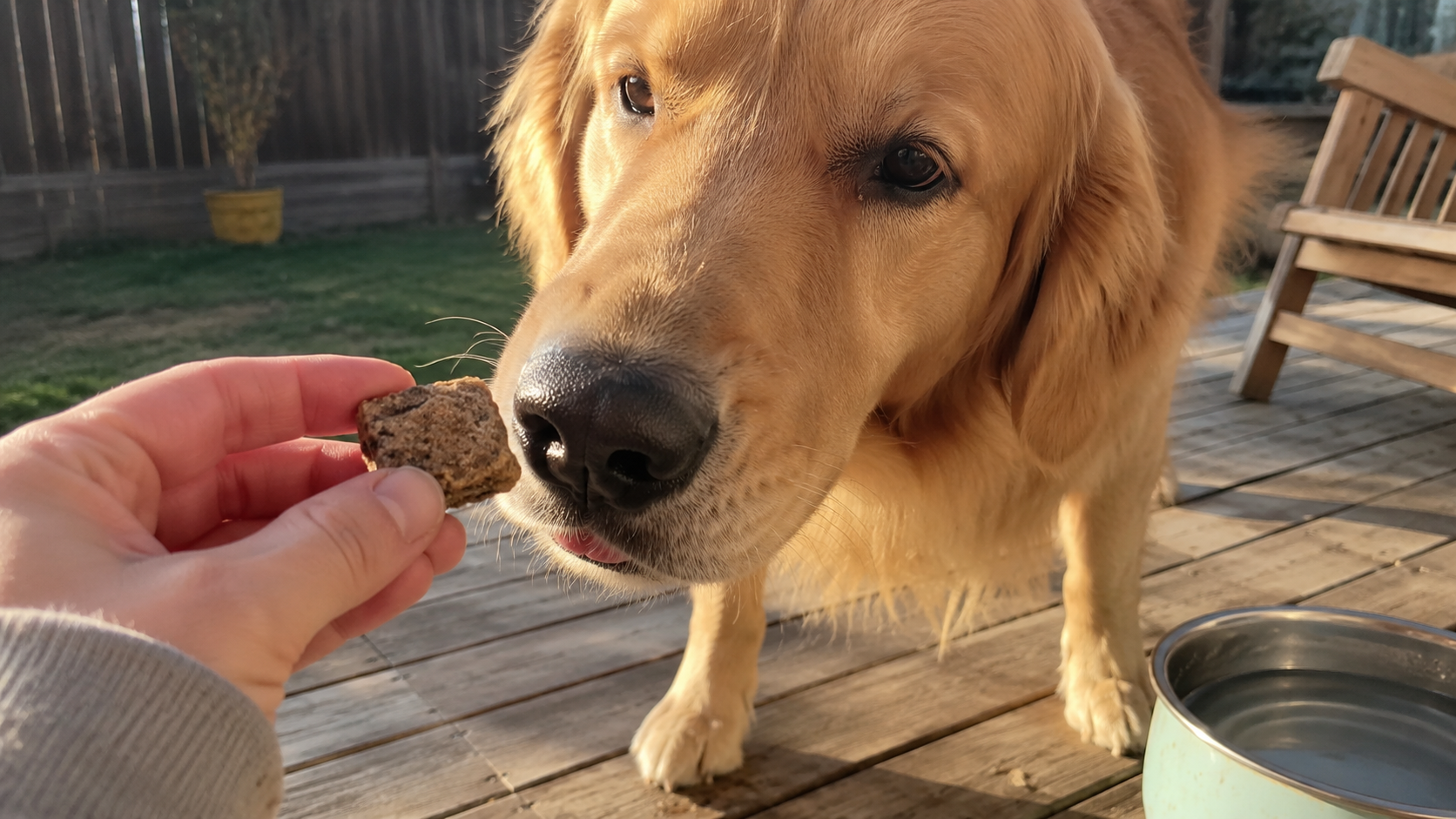
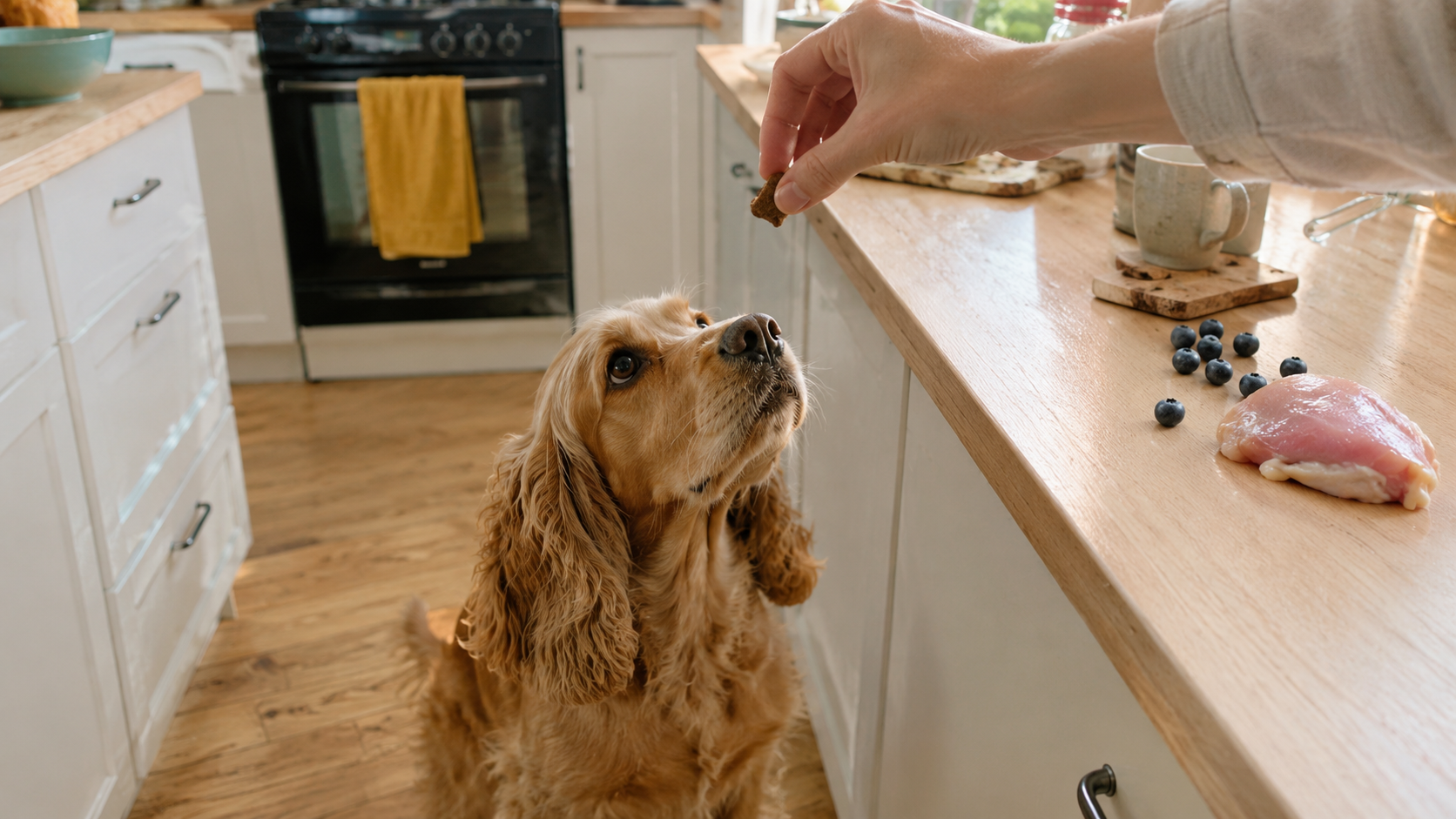
A small reward can be useful when teaching your dog to move away from stool, respond to “leave it,” or return when called.
My Foodie Pooch single-ingredient treats and limited-ingredient treats can be broken into appropriately sized pieces for ordinary reward-based training.
Because My Foodie Pooch freeze-dried products are made with raw animal ingredients:
- Wash your hands after handling
- Clean surfaces or treat pouches that become contaminated
- Keep treats separate from feces and waste bags
- Store them according to the package directions
Treats do not correct a nutrient deficiency or medically treat coprophagia. They should generally account for no more than about 10% of your dog’s daily calories.
A Simple Coprophagia Action Plan
- Schedule a veterinary visit if the behavior is new, persistent, or accompanied by other symptoms.
- Keep parasite screening and prevention current.
- Supervise every bathroom break.
- Pick up stool immediately.
- Use a leash when necessary.
- Reward your dog for moving away after eliminating.
- Practice “leave it” and recall in controlled settings.
- Block access to litter boxes and contaminated areas.
- Provide regular enrichment, exercise, and rest.
- Avoid punishment and unproven home remedies.
Final Thoughts
Dogs may eat poop because of exploration, scavenging, opportunity, habit, stress, hunger, or—less commonly—an underlying medical problem. The behavior does not automatically prove that your dog is deficient in vitamins, minerals, or digestive enzymes.
The most effective first steps are usually simple: supervise closely, remove stool immediately, prevent access, and reward your dog for moving away. Contact your veterinarian when the behavior begins suddenly, persists despite management, or occurs with appetite, weight, digestive, thirst, or energy changes.
For small rewards during supervised “leave it” and recall practice, explore My Foodie Pooch treats made with clearly listed ingredients.