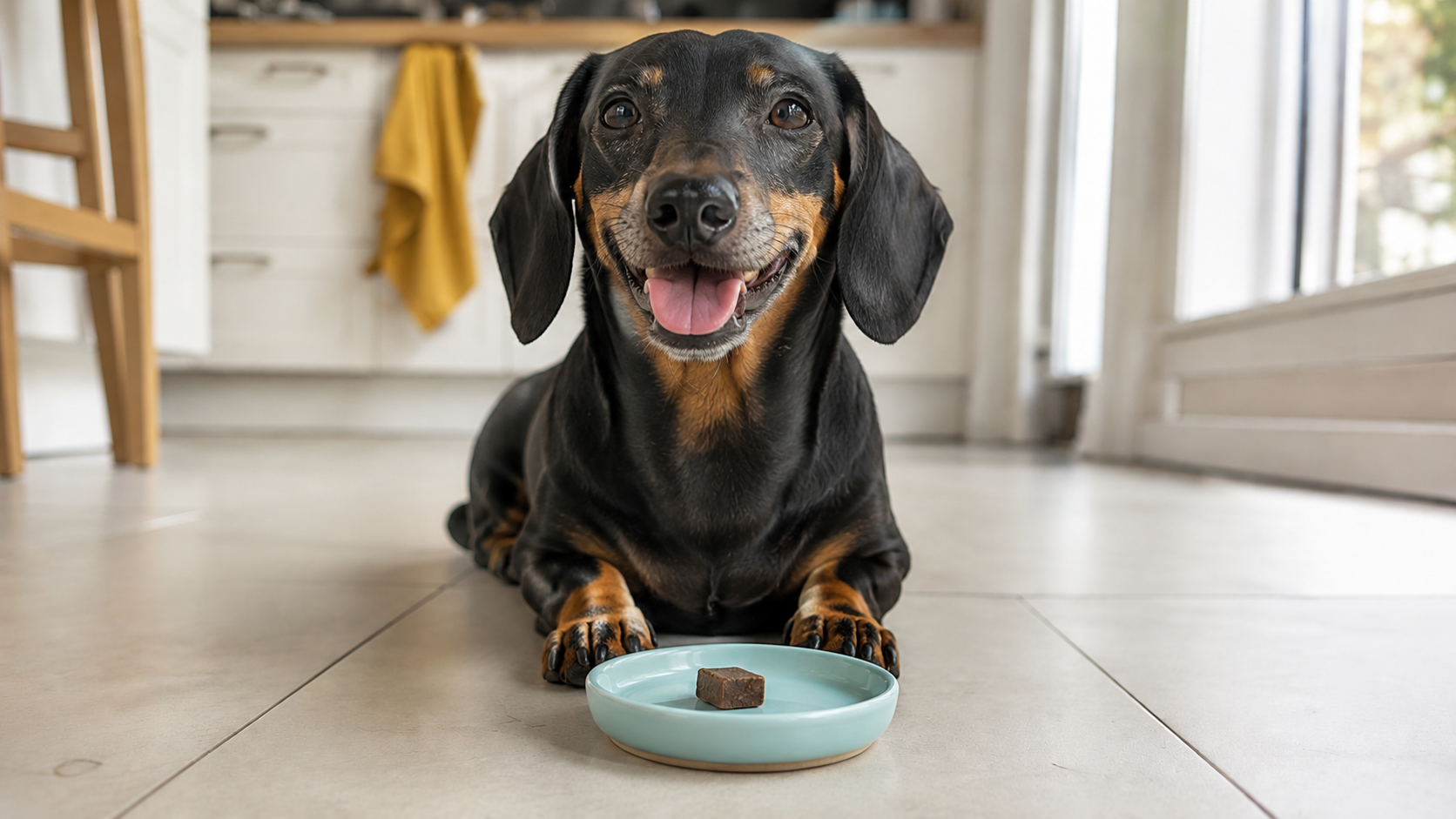
Foods Dogs Should Never Eat: A Pet Parent’s Safety Guide
Dogs are often eager to investigate whatever their people are eating. Unfortunately, some everyday foods can cause poisoning, organ damage, choking, intestinal obstruction, or severe digestive illness.
The effects depend on the food, the amount consumed, the dog’s size, and the dog’s individual sensitivity. Some exposures can be dangerous even before symptoms appear.
When you suspect your dog has eaten something potentially toxic, do not wait for signs of illness. Contact your veterinarian, an emergency veterinary hospital, or an animal poison-control service immediately.
What to Do If Your Dog Eats Something Dangerous
Act quickly, but do not attempt treatment without professional instructions.
- Move the remaining food and packaging out of reach.
- Identify what your dog ate.
- Estimate how much may be missing.
- Note when the exposure occurred.
- Record your dog’s approximate weight.
- Save the label, ingredient list, wrapper, or container.
- Contact your veterinarian or an animal poison-control service immediately.
In the United States, the ASPCA Animal Poison Control Center is available 24 hours a day at 888-426-4435. A consultation fee may apply.
Do not induce vomiting or give hydrogen peroxide, milk, oil, salt, activated charcoal, or another home remedy unless a veterinarian or poison-control professional specifically directs you to do so. Inducing vomiting can be dangerous in certain situations.
Foods That Can Be Toxic to Dogs
Chocolate and Cocoa
Chocolate contains theobromine and caffeine, which can affect a dog’s heart and nervous system.
Dark chocolate, baking chocolate, cocoa powder, and cacao products generally contain higher concentrations than milk chocolate. White chocolate contains relatively little theobromine but may still cause digestive problems because of its fat and sugar content.
Possible signs include:
- Vomiting or diarrhea
- Restlessness or hyperactivity
- Excessive thirst
- Rapid heartbeat
- Abnormal heart rhythm
- Tremors
- Seizures
- Collapse
Chocolate poisoning can cause life-threatening heart rhythm abnormalities and nervous-system effects. The level of risk depends on the type and amount of chocolate and the dog’s body weight.
Contact a veterinary professional rather than trying to determine safety from the amount or type of chocolate alone.
Xylitol
Xylitol is a sweetener that may appear in products such as:
- Sugar-free gum and candy
- Baked goods
- Certain peanut and nut butters
- Toothpaste and mouthwash
- Cough syrups
- Breath mints
- Vitamins and supplements
- Protein bars or powders
- Other reduced-sugar products
In dogs, xylitol can cause a rapid and dangerous drop in blood sugar. Larger exposures may also result in liver injury, bleeding problems, seizures, coma, or death.
Possible signs include:
- Vomiting
- Weakness
- Difficulty standing or walking
- Shaking
- Reduced activity
- Collapse
- Seizures
Any suspected xylitol ingestion should be treated as an emergency. Check labels carefully and remember that xylitol may also be described as birch sugar, wood sugar, or birch bark extract.
Grapes, Raisins, Currants, and Tamarind
Grapes and related products can cause acute kidney injury in dogs. Potential sources include:
- Fresh grapes
- Raisins
- Sultanas
- Zante currants
- Foods containing raisins
- Trail mixes and baked goods
- Grape pomace
- Tamarind
The amount of the harmful component can vary, and dogs do not all respond in the same way. Pet parents should not assume that a small amount is safe.
Possible signs include:
- Vomiting
- Diarrhea
- Loss of appetite
- Lethargy
- Increased thirst
- Changes in urination
- Dehydration
- Abdominal discomfort
Kidney failure may develop after the initial digestive symptoms. Early veterinary treatment is important even when the dog initially appears normal.
Onions, Garlic, Leeks, and Chives
Members of the allium family can damage a dog’s red blood cells and cause anemia.
Hazardous forms may include:
- Raw
- Cooked
- Dehydrated
- Powdered
- Concentrated
- Included in soups, sauces, seasoning blends, baby food, or prepared meals
Garlic and onion powders are concentrated, so a relatively small amount may still be important.
Possible signs include:
- Vomiting or diarrhea
- Weakness
- Pale gums
- Rapid breathing
- Increased heart rate
- Dark or reddish urine
- Reduced appetite
- Collapse
Signs of red-blood-cell damage may be delayed. Do not assume your dog is safe because they appear normal immediately after eating the food.
Alcohol and Alcohol-Containing Products
Alcohol may be found in beverages as well as:
- Desserts
- Sauces
- Fermenting foods
- Mouthwash
- Hand sanitizer
- Certain medications
- Unbaked yeast dough
Possible signs include:
- Vomiting
- Poor coordination
- Weakness
- Low body temperature
- Low blood sugar
- Slow or difficult breathing
- Tremors
- Coma
Alcohol exposure requires prompt veterinary guidance.
Coffee, Tea, Energy Drinks, and Caffeine
Caffeine affects the heart and nervous system.
Potential sources include:
- Coffee and coffee grounds
- Tea bags and loose tea
- Energy drinks
- Caffeine tablets
- Pre-workout supplements
- Chocolate-covered coffee beans
- Certain medications
Possible signs include restlessness, vomiting, a rapid heartbeat, abnormal heart rhythms, tremors, seizures, and collapse.
Keep used coffee grounds, tea bags, supplements, and drinks inside secure containers and trash cans.
Macadamia Nuts
Macadamia nuts can cause poisoning in dogs.
Possible signs include:
- Weakness, especially in the back legs
- Difficulty walking
- Vomiting
- Tremors
- Fever
- Lethargy
Symptoms may develop within several hours. Chocolate-covered macadamia nuts present both macadamia and chocolate risks.
Contact your veterinarian or animal poison control after any suspected ingestion.
Raw Yeast Dough
Unbaked dough containing active yeast can expand inside a dog’s stomach. As the dough ferments, it can also produce alcohol.
This creates two serious hazards:
- Dangerous stomach distention
- Alcohol poisoning
Possible signs include:
- Abdominal swelling
- Retching
- Vomiting
- Pain
- Restlessness
- Weakness
- Poor coordination
- Difficulty breathing
- Collapse
Raw yeast-dough ingestion should be treated as an emergency. The FDA specifically lists raw yeast dough among potentially dangerous items for pets.
Moldy Food and Compost
Moldy bread, cheese, nuts, grains, pasta, and compost may contain toxins capable of causing severe tremors or seizures.
Trash and compost may contain several hazards at once, including:
- Mold toxins
- Spoiled fats
- Bones
- Corncobs
- Toxic foods
- Packaging
- Bacteria
- Fermenting material
Keep garbage and compost securely closed. Seek immediate veterinary care for tremors, seizures, severe agitation, vomiting, weakness, or collapse.
Foods That Can Cause Choking, Obstruction, or Digestive Illness
Some foods are not classic poisons but can still cause a serious emergency.
Cooked Bones
Cooked bones can become brittle and may break into sharp pieces.
Potential complications include:
- Choking
- Broken teeth
- Injuries to the mouth or throat
- Constipation
- Intestinal blockage
- Tears or perforations in the digestive tract
Bones should not be considered universally safe simply because they are natural.
Contact your veterinarian promptly if your dog swallows a bone and develops gagging, repeated vomiting, abdominal pain, straining, bloody stool, lethargy, or loss of appetite.
Corncobs, Fruit Pits, and Large Seeds
Corncobs and large fruit pits can become lodged in the stomach or intestines.
Examples include:
- Corncobs
- Peach or plum pits
- Avocado pits
- Mango pits
- Large pieces of fruit cores
- Food packaging or skewers
Some pits also contain compounds that may be harmful when crushed or chewed. The more immediate concern is often choking or intestinal obstruction.
Possible signs of an obstruction include:
- Repeated vomiting
- Refusal to eat
- Abdominal pain
- Lethargy
- Straining
- Reduced stool production
- A swollen abdomen
A suspected obstruction requires prompt veterinary evaluation.
Fatty Meat, Grease, Skin, and Rich Leftovers
Fatty scraps can cause vomiting and diarrhea and may contribute to pancreatitis in susceptible dogs.
Examples include:
- Bacon grease
- Turkey or chicken skin
- Fat trimmings
- Rich gravy
- Butter-heavy foods
- Fried foods
- Fatty leftovers
Possible signs of pancreatitis include:
- Repeated vomiting
- Abdominal pain
- Reduced appetite
- Lethargy
- Dehydration
- A hunched or uncomfortable posture
Dogs with a history of pancreatitis or another fat-sensitive condition may be at greater risk.
Excessively Salty Foods
A small taste of an ordinarily salted food is different from consuming a large amount of concentrated salt.
Greater concerns include:
- Salt dough
- Homemade play dough
- Large quantities of salty snacks
- Seasoning packets
- Bouillon
- Saltwater
- Rock salt or ice melt
Excessive salt intake can cause vomiting, weakness, intense thirst, poor coordination, tremors, seizures, and other serious problems.
Do not force your dog to drink large quantities of water after suspected salt exposure. Contact a veterinary professional for instructions.
Nuts and Nut Shells
Macadamia nuts are specifically toxic, but other nuts may still cause problems because they can be:
- High in fat
- Salted or seasoned
- Moldy
- Difficult to digest
- Choking hazards
- Capable of causing an obstruction when swallowed whole or with shells
Almonds are not generally considered toxic in the same way as macadamia nuts, but their hardness and shape can create choking or digestive risks, particularly for smaller dogs.
Dairy Products and Ice Cream
Milk and dairy products are not generally poisonous to dogs, but many dogs do not tolerate lactose well.
Ice cream may also be high in fat and sugar and can contain separate hazards such as:
- Chocolate
- Coffee
- Raisins
- Macadamia nuts
- Xylitol
- Alcohol-containing flavorings
Possible reactions include gas, abdominal discomfort, vomiting, or diarrhea.
What About Avocado?
Avocado requires context.
The flesh is not considered as toxic to dogs as avocado is to certain other animal species, but its fat content may make it inappropriate for some dogs. The pit is a choking and obstruction hazard, and guacamole commonly contains onions, garlic, salt, or other ingredients dogs should not eat.
The safest approach is not to offer avocado dishes or allow your dog access to the pit, skin, leaves, or plant. The FDA describes avocado as only mildly toxic to dogs and cats while noting that it can be significantly more dangerous to some other species.
What About Raw Meat and Freeze-Dried Raw Treats?
Raw meat, raw diets, and freeze-dried raw products are not classified with chocolate, xylitol, or grapes as specific canine poisons. However, raw animal ingredients may carry disease-causing organisms such as Salmonella, E. coli, and Listeria.
Freeze-drying removes moisture, but it should not be described as cooking or sterilizing the product. Appropriate storage, handwashing, and surface cleaning remain important when handling freeze-dried raw treats.
The FDA has found raw pet food more likely to be contaminated with disease-causing bacteria than other types of pet food tested, and the AVMA discourages feeding raw or undercooked animal-source protein because of potential risks to pets and people.
Good handling practices include:
- Washing your hands with soap and water after handling the treats
- Keeping the package sealed when it is not in use
- Storing the product according to the package instructions
- Cleaning bowls, scoops, counters, and other surfaces that contact the treats
- Keeping young children from handling the treats
- Avoiding contact between the treats and food prepared for people
- Discarding products that appear wet, spoiled, damaged, or improperly stored
Young children, older adults, pregnant people, and people with weakened immune systems may face greater risks from foodborne organisms and should use additional caution around raw pet foods and treats.
Raw and freeze-dried raw products are also not automatically complete and balanced. Review the package to determine whether a product is formulated as a complete diet or intended only for intermittent or supplemental feeding.
My Foodie Pooch freeze-dried products are raw treats, not complete meals. They should be handled carefully, fed in moderation, and kept within your dog’s regular calorie and dietary limits.
Warning Signs After a Possible Food Exposure
Symptoms depend on the substance involved. Watch for:
- Vomiting or diarrhea
- Excessive drooling
- Weakness or lethargy
- Restlessness
- Tremors or seizures
- Difficulty standing or walking
- Pale gums
- Rapid or difficult breathing
- An abnormal heartbeat
- Loss of appetite
- Abdominal pain or swelling
- Increased or decreased urination
- Collapse
- Unusual bleeding or bruising
Do not wait for symptoms before calling. Some treatments are most effective when started soon after ingestion.
Difficulty breathing, seizures, collapse, severe weakness, uncontrolled bleeding, repeated vomiting, or a swollen and painful abdomen requires immediate emergency veterinary care.
How to Prevent Accidental Ingestion
A few household habits can substantially reduce the risk:
- Store dangerous foods in closed cabinets or secure containers.
- Keep purses, backpacks, lunchboxes, and grocery bags off the floor.
- Use a trash can with a secure lid.
- Keep compost inaccessible.
- Do not leave cooling baked goods near the edge of a counter.
- Teach children not to share food with pets.
- Ask guests not to feed your dog without permission.
- Read ingredient labels on sugar-free and reduced-sugar products.
- Secure medications, vitamins, nicotine products, and supplements.
- Clear plates and drink glasses promptly after gatherings.
- Keep veterinary and poison-control phone numbers easy to find.
Remember that dogs may climb, counter-surf, open bags, or knock containers over when food is appealing.
Safer Treat Habits
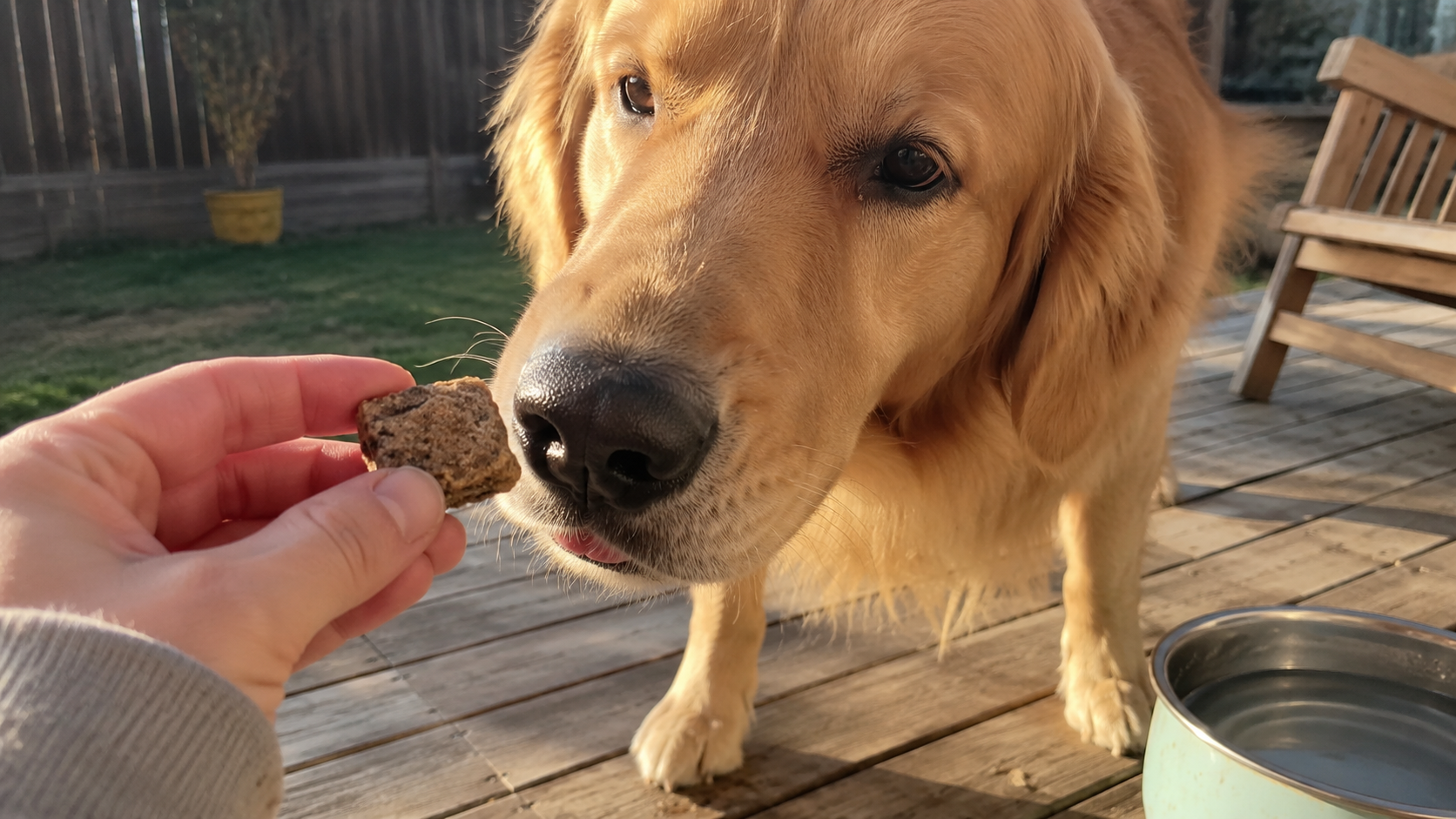
Your dog does not need food from your plate to feel included. Choose a treat made specifically for dogs and review the complete ingredient list before offering a new product.
My Foodie Pooch single-ingredient treats and limited-ingredient treats are freeze-dried raw treats intended as snacks and rewards—not complete meals.
Because they are made with raw animal ingredients:
- Wash your hands after handling
- Clean surfaces, bowls, and utensils that contact the treats
- Store the package according to its instructions
- Keep the treats away from food prepared for people
Even treats made specifically for dogs should be:
- Appropriate for your dog’s size
- Introduced gradually
- Fed in moderation
- Included in the daily calorie total
- Kept within any veterinary dietary restrictions
Treats should generally account for no more than about 10% of your dog’s daily calories.
Final Thoughts
Chocolate, xylitol, grapes, raisins, allium vegetables, alcohol, caffeine, macadamia nuts, and raw yeast dough are among the food hazards every dog parent should recognize. Bones, corncobs, rich scraps, excessive salt, moldy food, and food packaging can also cause serious emergencies.
Raw and freeze-dried raw treats belong in a separate category. They are not canine poisons, but because they are made from uncooked animal ingredients, they require appropriate storage and careful handling.
Prevention begins with secure storage, careful label reading, good hygiene, and a household rule against sharing food without checking first.
When an exposure occurs, do not wait for your dog to become sick. Save the package, estimate the quantity consumed, and contact your veterinarian, an emergency animal hospital, or animal poison control immediately.
For snacks made specifically for dogs, explore My Foodie Pooch treats and choose an option that fits your dog’s regular feeding plan.