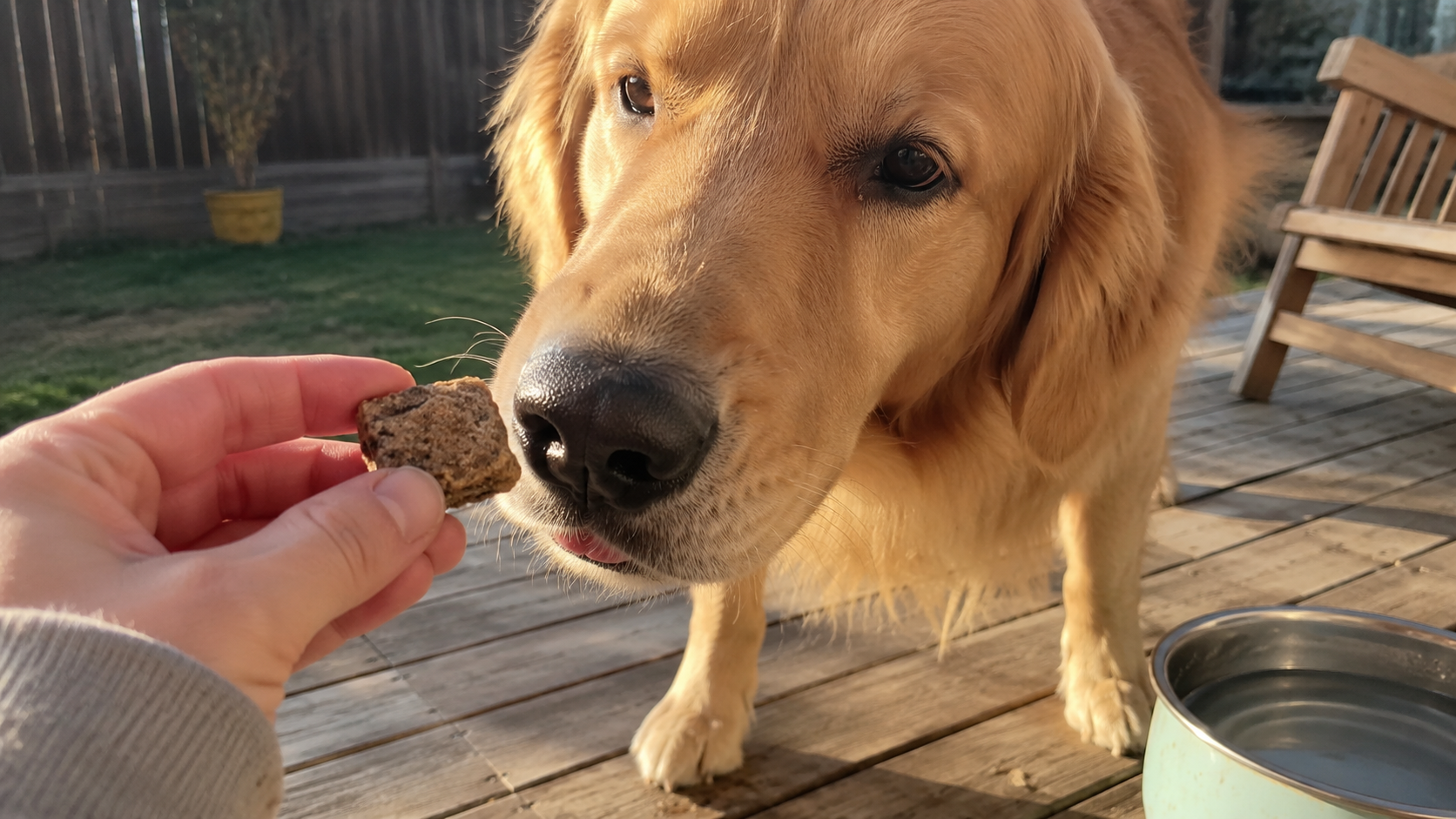
Tail-Wagging Delight: How to Choose Better Treats for Your Dog
Choosing dog treats may seem simple, but the ingredients matter. Treats are more than a quick reward or a way to make tails wag. They can support training, add variety to your dog’s routine, and give pet parents another opportunity to choose real, high-quality ingredients.
With so many options available, it helps to know what to look for on the label and how to choose treats that fit your dog’s needs.
Here is what pet parents should know when choosing better treats for their dogs.
Start with the Ingredient List
When choosing dog treats, the ingredient list is one of the best places to start.
A good treat should be easy to understand. Look for real, recognizable ingredients such as meat, fish, organ meat, fruits, vegetables, or other whole-food ingredients. If the ingredient list feels overly complicated or filled with items you do not recognize, that may be a sign to look more closely.
Ingredients are typically listed in order by weight, which means the first ingredients matter. For example, if chicken is listed first, that tells you chicken is a major ingredient in the recipe.
For pet parents looking for simple options, single-ingredient treats can make it easier to know exactly what your dog is eating.
Understand Common Label Terms
Dog treat labels can include terms like natural, grain-free, limited-ingredient, single-ingredient, protein-forward, or freeze-dried. These terms can be helpful, but they should not replace reading the ingredient list.
For example, a treat may sound healthy on the front of the package, but the ingredient list tells the real story. Always look beyond the marketing words and check what is actually inside.
A few helpful things to look for include:
A clear protein source
A short and understandable ingredient list
Real meat, fish, organ meat, or whole-food ingredients
No unnecessary fillers
No artificial flavors
No synthetic preservatives
Feeding guidance that makes sense for your dog
The best label is one that gives you confidence, not confusion.
Look at the Primary Ingredient
For many dogs, the main protein source is one of the most important parts of a treat.
High-quality protein sources may include chicken, beef, turkey, fish, pork liver, lamb liver, or other organ meats. Protein-forward treats are often appealing to dogs because they offer the natural flavor and aroma dogs love.
If you are choosing treats for everyday snacking, training, or enrichment, it helps to look for a primary ingredient that matches your dog’s preferences and dietary needs.
For example, a dog who does well with poultry may enjoy Gobble Goodies Turkey Breast or Artisanal Chicken Recipe Poppers. A dog who prefers fish may enjoy Foo-tastic White Fish.
Consider the Other Ingredients Too
The primary ingredient matters, but the rest of the ingredient list matters too.
Some treats include whole-food ingredients like blueberries, sweet potato, squash, kale, mango, spinach, or chia seeds. These ingredients can add texture, variety, and naturally occurring nutrients.
The key is to choose treats where the added ingredients serve a purpose and are easy to recognize.
For dogs who enjoy recipe-style snacks, limited-ingredient treats can be a good option because they offer more variety while still keeping the ingredient list focused.
Choose Treats That Fit Your Dog’s Needs
Every dog is different. The best treat for one dog may not be the best treat for another.
If your dog has a sensitive stomach, food sensitivities, or specific dietary needs, simple treats may be easier to manage. Single-ingredient treats can help pet parents clearly identify what they are feeding.
If your dog is picky, treats made with real meat, fish, or organ meat may be especially appealing because of their natural smell and flavor.
If your dog needs training rewards, look for treats that can be broken into smaller pieces so you can reward often without overfeeding.
If your dog loves to chew, a long-lasting option like a Yummy Yak Cheese Chew may help add more enrichment to snack time. If your dog prefers something light and crunchy, Yummy Yak Cheese Crunchies can be another fun option for treat time.
Be Careful with Big Health Claims
Some treats are marketed with bold promises. While treats can be part of a thoughtful routine, they should not be treated as a cure for health conditions.
Be cautious with any treat that sounds too good to be true. If your dog has a medical condition, allergies, weight concerns, digestive issues, or special dietary needs, it is always best to speak with your veterinarian.
Quality treats can support better snacking habits, but they should work alongside your dog’s regular diet and care routine.
Think About How Often You Give Treats
How you use treats matters.
If your dog gets a treat once or twice a day, portion size may be simple to manage. But if you use treats often for training, enrichment, or rewards throughout the day, it is important to pay closer attention to quantity.
A helpful rule of thumb is that treats should make up no more than about 10% of your dog’s daily calories. This helps keep treats in their proper place: a snack, not a replacement for balanced meals.
You can also break larger treats into smaller pieces to make them last longer during training or reward moments.
Compare Treat Types
Different treats serve different purposes.
Freeze-dried treats are lightweight, shelf-stable, and often highly appealing because they retain much of the natural aroma and flavor of the original ingredient. They can be a great option for training, topping meals, travel, or everyday snacking.
Recipe-style treats can offer variety with a mix of real meat and whole-food ingredients.
Single-ingredient treats are helpful when you want simplicity and clarity.
Chews can support longer-lasting enjoyment and enrichment.
Crunchy treats, like Yummy Yak Cheese Crunchies, can be a fun option for dogs who enjoy a lighter texture and satisfying crunch.
The right choice depends on your dog’s preferences, size, chewing style, and routine.
Monitor How Your Dog Responds
After introducing a new treat, pay attention to how your dog responds.
Ask yourself:
Does my dog enjoy the treat?
Is the texture and size right?
Is the treat easy to portion?
Does my dog’s stomach seem comfortable?
Are there any changes in weight or potty habits?
If a treat works well for your dog, it can become one of your go-to options. If it does not, it may be worth trying a different protein, texture, or ingredient style.
Why My Foodie Pooch Focuses on Better Treats
At My Foodie Pooch, we believe treats should be simple, craveable, and made with ingredients worth reading.
Our lineup includes single-ingredient freeze-dried treats, limited-ingredient recipe-style treats, long-lasting chews, and crunchy snacks designed to bring more joy to your dog’s routine.
Whether your pup loves Gobble Goodies Turkey Breast, Foo-tastic White Fish, Artisanal Chicken Recipe Poppers, Gourmet Beef Recipe Nuggets, Oinkers Best Pork Liver, Baaa-rilliant Lamb Liver, a satisfying Yummy Yak Cheese Chew, or Yummy Yak Cheese Crunchies, our goal is to help pet parents feel good about what they are feeding.
Because every dog deserves treats made with real ingredients, and every pet parent deserves a label they can actually understand.
Final Thoughts
Choosing better dog treats starts with reading the label, understanding the ingredients, and matching the treat to your dog’s needs.
Look for real ingredients, clear protein sources, simple recipes, and treats that fit your dog’s size, preferences, and lifestyle. When chosen thoughtfully and fed in moderation, treats can be more than a reward. They can be a meaningful part of how you care for your dog every day.
Explore My Foodie Pooch treats and find your pup’s next tail-wagging favorite.