
Safety
Can Dogs Eat Garlic?
No, garlic isn’t safe for dogs in any form. Here’s why it’s a hard no, where it hides in everyday food, and what to do if your dog gets into some
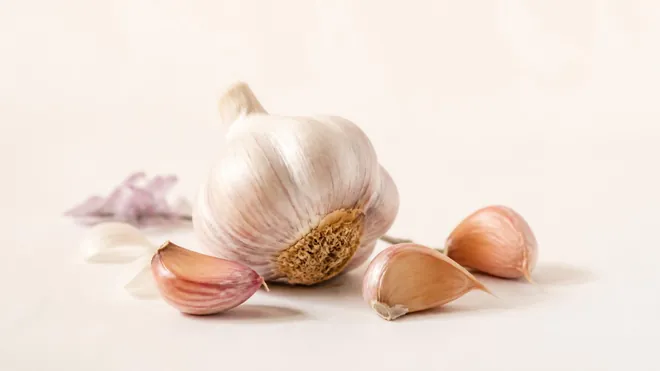
Garlic is in half the things we cook, so it’s no surprise that dog owners ask about it. It smells amazing, it’s in the sauce your dog is staring at, and you may have heard someone say a little is fine.
Here’s the plain answer: no, dogs shouldn’t eat garlic. Garlic belongs to the onion family, along with onions, leeks, chives and shallots, and that whole family is on the list of foods to keep away from dogs. That goes for raw, cooked, roasted, powdered and dried garlic alike. There’s no "safe" form of it for your dog, so the easiest rule is simply not to share it.
Why garlic is a no. You don’t need the science to make a good call here. Garlic and its relatives are widely recognized as unsafe for dogs, and that’s reason enough to keep them out of the bowl. It’s also worth knowing that powdered and dried garlic are more concentrated than a fresh clove, so a sprinkle of seasoning isn’t automatically "less" than it looks.
Where garlic hides. The clove on the cutting board is the easy one to spot. The tricky part is how often garlic shows up in food where you wouldn’t think to look:
- Pasta sauce, pizza and garlic bread
- Seasoned meats, sausages and cured meats like salami
- Gravy, stock, broth and soup
- Dips, dressings and marinades
- Spice blends and "seasoned" anything
- Leftovers and takeout of almost every kind
This is a big reason we suggest keeping table scraps plain and simple. If something was cooked for people, there’s a good chance garlic or onion is in it somewhere. Our post on salami is a good example of how a snack that seems harmless can carry seasoning that isn’t.
What if your dog already ate some? Don’t panic, and don’t try to handle it yourself at home. If your dog got into a lot of it, or you’re not sure how much they ate, call your vet or an animal poison control line right away. They’ll ask what your dog ate, roughly how much and when, so have the package or recipe handy if you can. Let them guide you from there.
Keeping garlic out of reach. A few everyday habits make a big difference:
- Keep garlic bulbs, jars and spice containers in a cupboard, not on the counter.
- Scrape plates into a lidded bin, and don’t leave leftovers out.
- Let guests know not to share from their plates.
- Read the label on any people food before offering it, including broth and baby food.
What to share instead. Dogs don’t need garlic to enjoy their food. If you want to share something from the kitchen, plain is the way to go. Our guide to human foods you can safely share with your dog has plenty of easy options, and our list of foods dogs should never eat is handy to keep in mind for everything else. For treats, a short, readable label makes it easy to know what you’re giving. Our single-ingredient treats are one ingredient each, freeze-dried, with nothing added. As always, check with your vet before adding new foods regularly, especially if your dog is on a special diet.
The short version. Garlic is a no for dogs, in every form. It’s part of the onion family, it hides in a lot of people food, and the safest habit is to keep seasoned food off the menu. If your dog gets into some, call your vet or a poison control line. When you want to treat them, keep it simple. Take a look at our single-ingredient treats.
Keep reading
Human Foods You Can Safely Share With Your Dog
Those hopeful eyes at snack time? Here are everyday foods most dogs can share with you, served plain and in small amounts.
Can Dogs Eat Salami?
Salami smells like heaven to a dog, but it’s one to skip. Here’s why, what to do if a slice goes missing, and better ways to say yes.
Not sure where to start? The Treat Match Quiz narrows it down in about a minute.
Take the quiz All posts